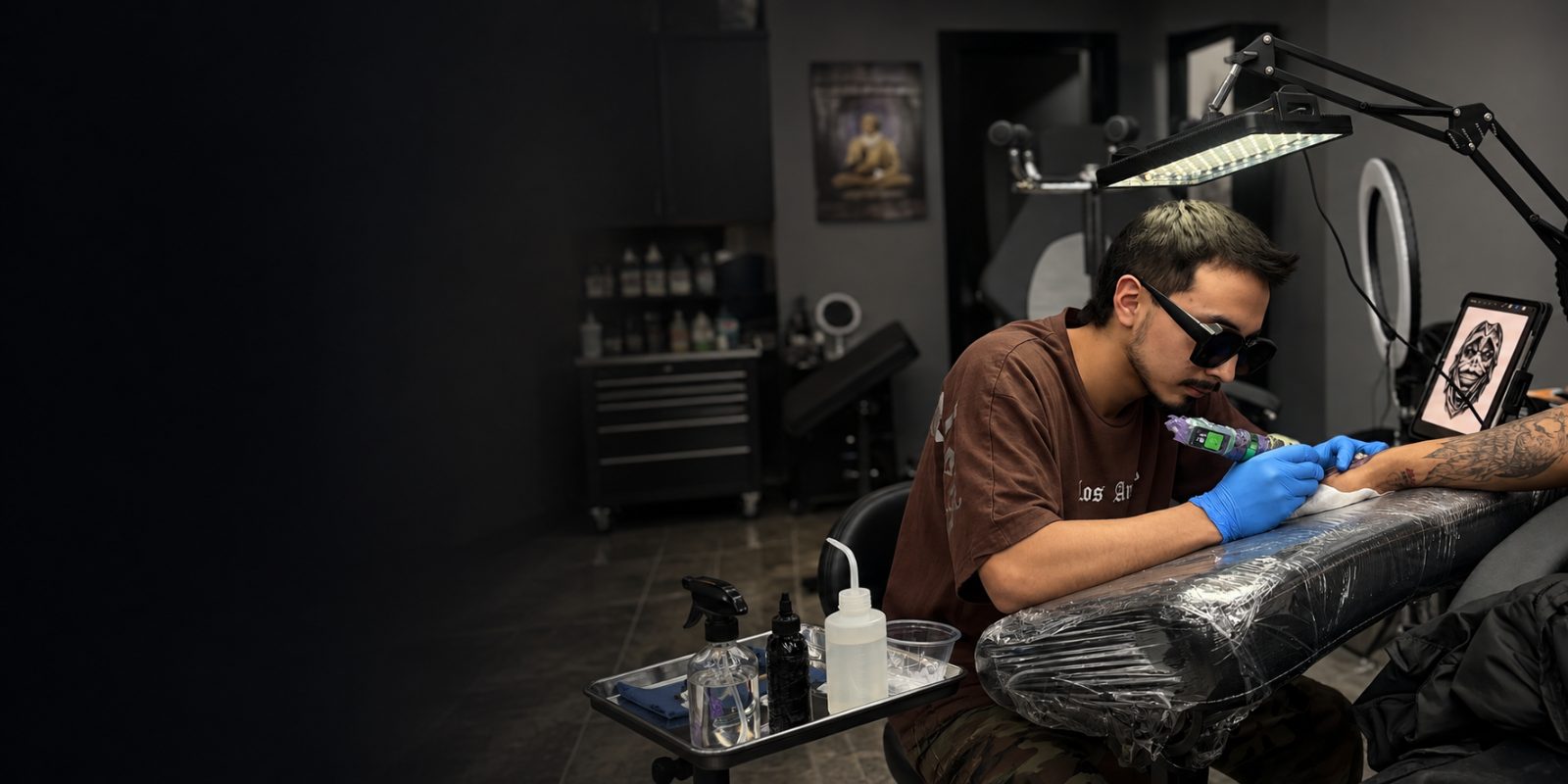
Delicate Lines and Personal Details
Fineline Tattoos in Queens, NY
Explore refined tattoo artwork with a subtle, personal feel.
Delicate Lines and Personal Details
Explore refined tattoo artwork with a subtle, personal feel.
Fineline tattoos are popular with people who appreciate delicate outlines and understated artwork. They can express a meaningful idea without relying on heavy shading or large areas of solid pigment. At Gerlo Style Ink, I approach fineline tattoo concepts with attention to simplicity, spacing, composition, and how the design fits the skin.
You might be considering a flower, a symbolic object, a minimal illustration, or carefully arranged lettering. These ideas can work in many different directions, but not every detailed image translates well into very small dimensions. I encourage clients to discuss readability and long-term appearance before choosing the final size.
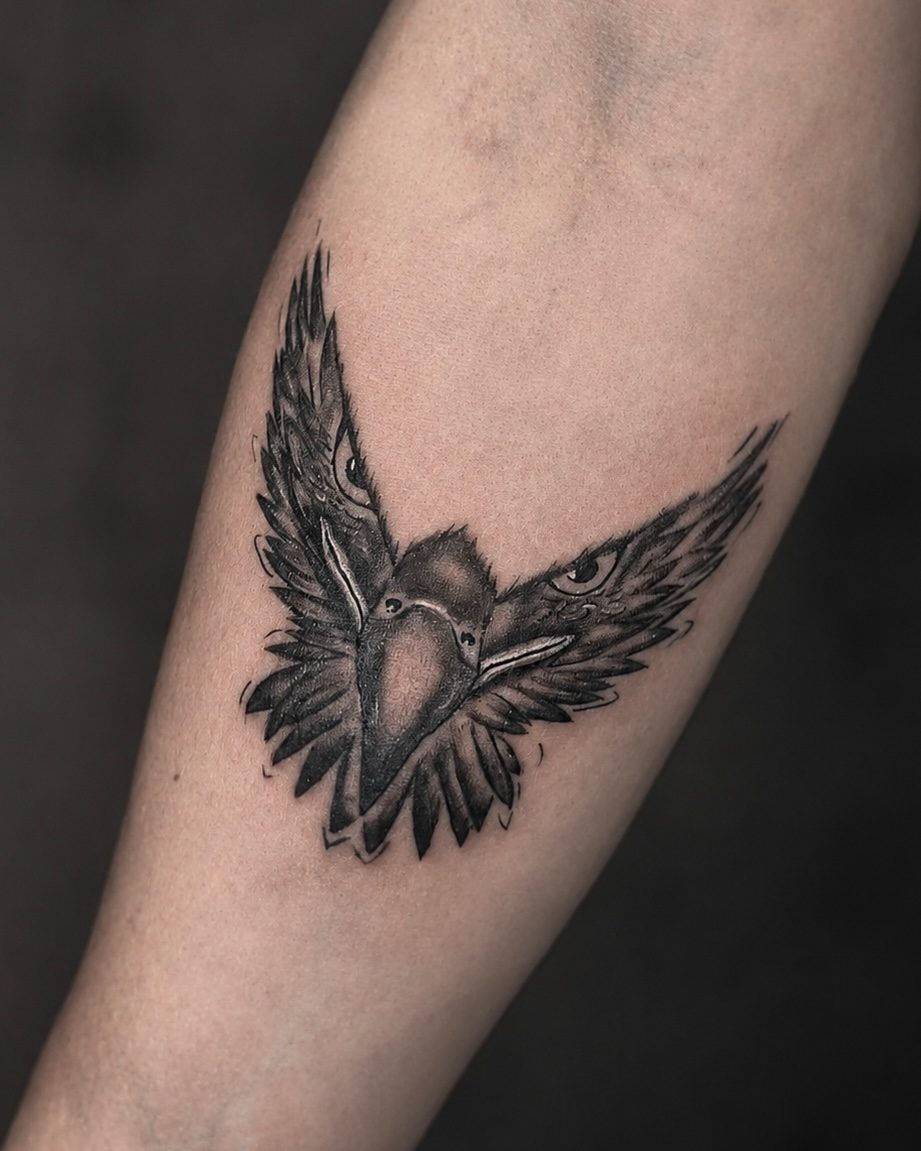
Fineline work uses relatively narrow lines to describe shapes, details, and movement. The overall appearance can feel soft and light, although an effective design still needs sufficient contrast and space to remain understandable. One common misconception is that every fineline tattoo must be tiny. In reality, giving the artwork additional room can improve the separation between elements. Detailed leaves, facial outlines, decorative patterns, and intricate lettering may need more space than a simple symbol. Skin changes over time, and fine marks can soften or spread, so thoughtful sizing is important.
Simple shapes, meaningful icons, and small personal motifs can work well when the concept has a clear silhouette. Careful spacing helps prevent a minimal design from becoming crowded.
Flowers, leaves, vines, and stems offer natural opportunities for delicate compositions. The direction of the branches and the relationship between petals can help the tattoo flow along the body.
Names, words, and short phrases can be designed with a subtle appearance. Letter size, font choice, and spacing need special attention because tightly arranged strokes may become less distinct over time.
Small animals, celestial imagery, geometric accents, and personal illustrations can be considered for fineline work. The original drawing may need simplification to preserve the most recognizable features.
I consider whether the design leaves enough room between important details.
I focus on keeping the subject recognizable without adding unnecessary visual complexity.
I discuss how natural body contours and everyday movement may affect the design.
I explain that delicate tattoos can soften over time and that no tattoo can be guaranteed to retain its original sharpness.
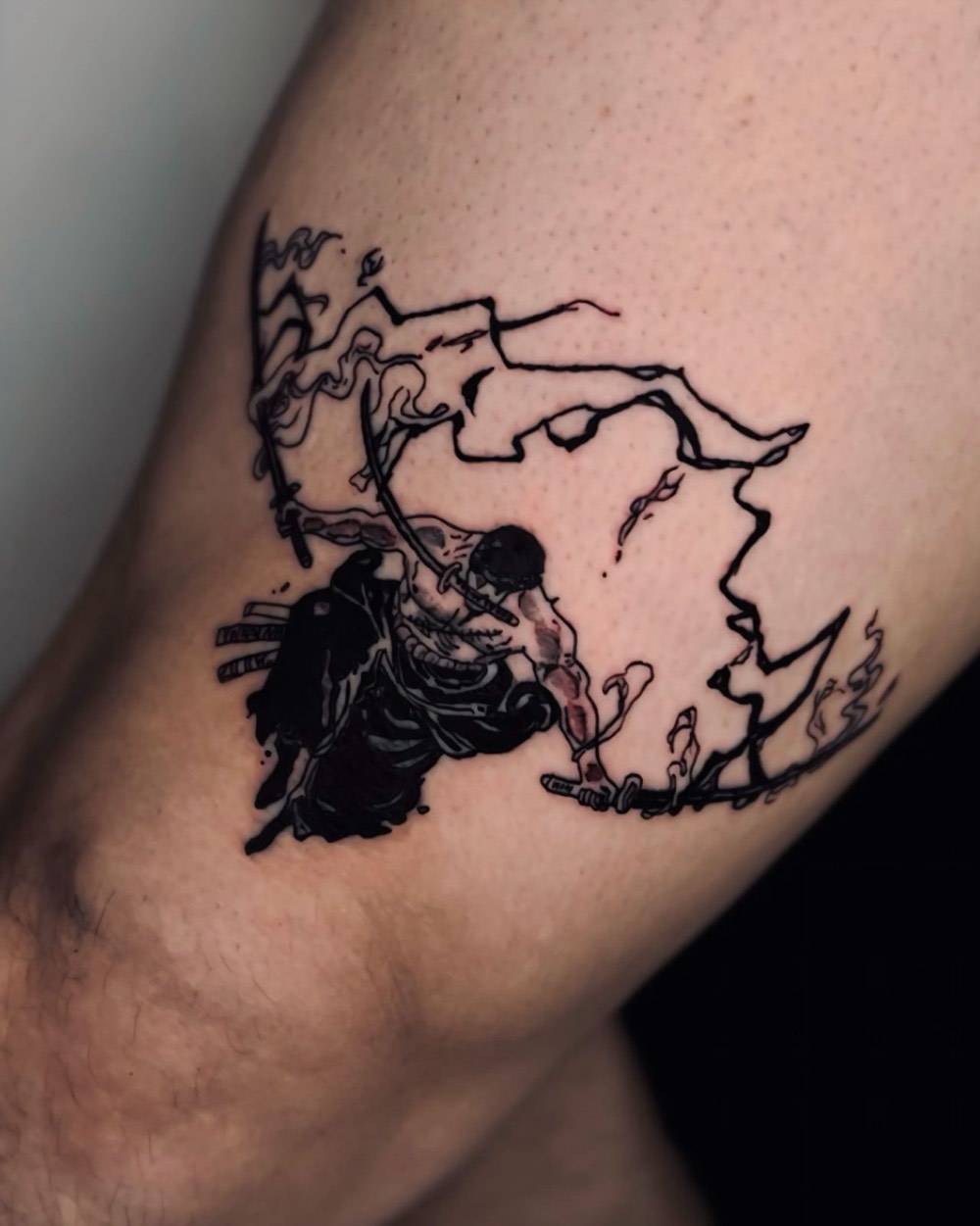
Send your fineline idea, desired dimensions, and placement to discuss whether the details suit your design.
Free — no obligations
Decide whether the design is primarily symbolic, botanical, decorative, or text-based.
Consider which marks are essential and whether closely spaced details should be simplified.
Choose dimensions that support the design rather than assuming the smallest possible version is best.
Discuss your appointment arrangements and follow the provided preparation instructions.
Care for the healing tattoo as instructed and avoid unnecessary irritation of the area.
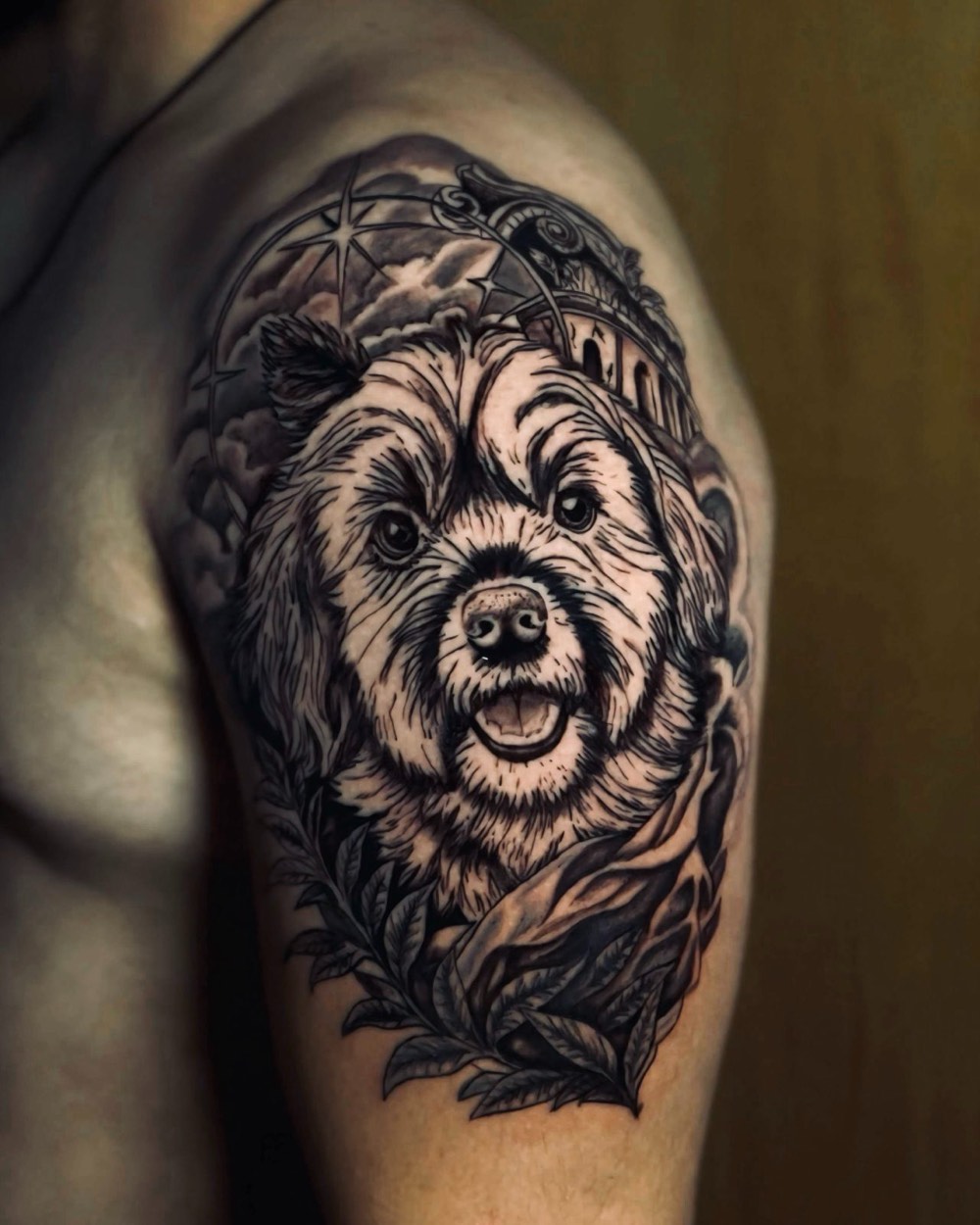
Fine details may become less distinct over time because tattoo pigment can spread and skin naturally changes. Sun exposure, placement, and individual healing can influence the result. A suitable size and clear composition can help preserve readability.
They can include lettering, but extremely small text may lose definition as it ages. The spacing between letters and individual strokes is important. A slightly larger design is sometimes a more practical choice.
They can be an appealing option for first-time clients who prefer understated artwork. The final decision should also consider placement, skin characteristics, design complexity, and healing expectations.
Yes. Separate symbols can be arranged to create visual balance while preserving each element's identity. Planning the spacing early can also leave room for possible additions.