A New Direction for Existing Ink
Cover Up Tattoos in Queens, NY
Explore whether your existing tattoo can become part of something new.
A New Direction for Existing Ink
Explore whether your existing tattoo can become part of something new.
Not every tattoo continues to reflect who you are. An old design might have faded unevenly, lost its meaning, or simply stopped matching your personal style. Cover up tattoos offer one possible way to change the appearance of existing ink by designing new artwork around what is already there.
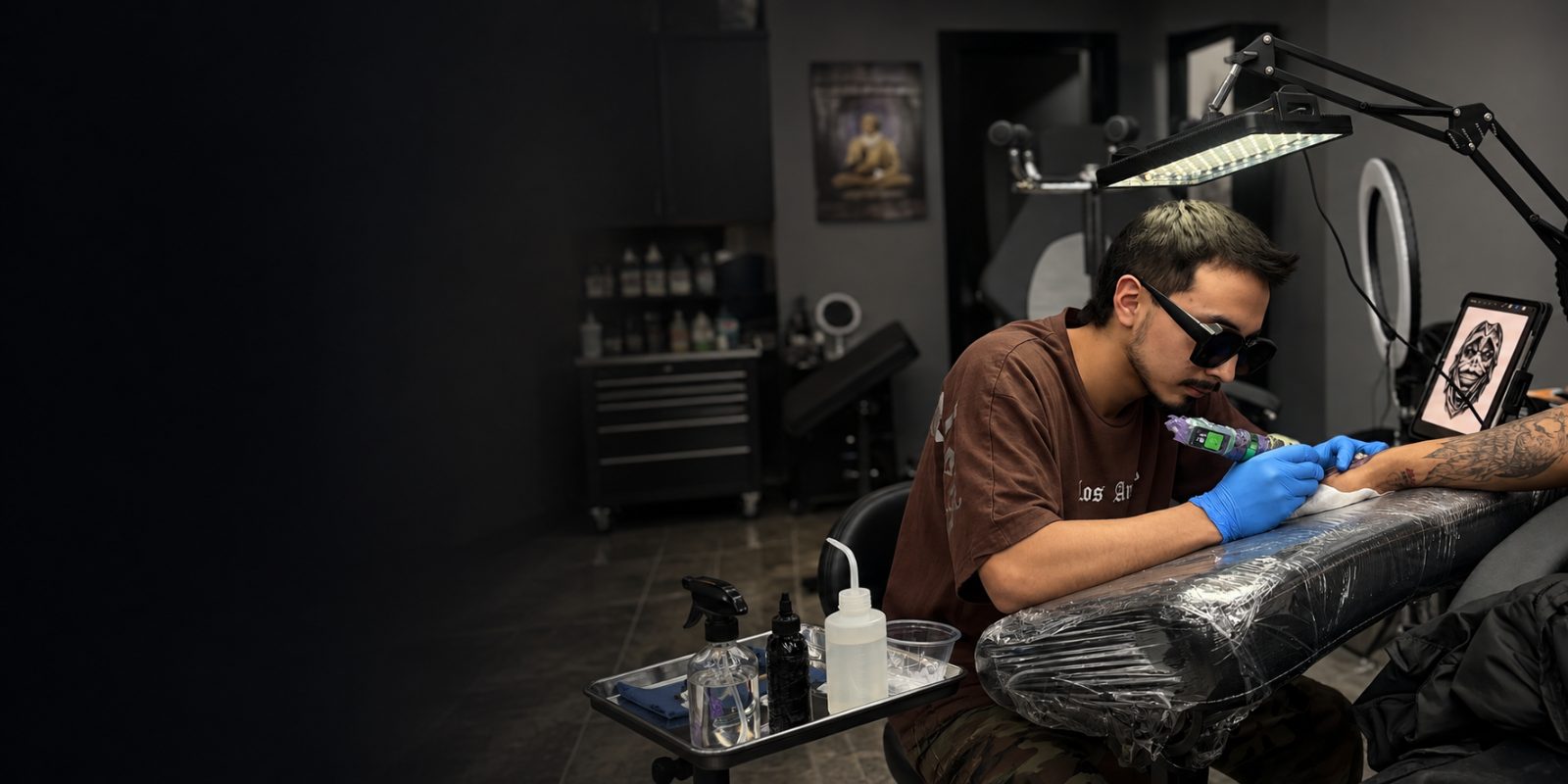
At Gerlo Style Ink, I approach cover up inquiries by first looking at the current tattoo. Its darkness, colors, dimensions, placement, and condition influence what may be possible. A successful plan begins with realistic expectations, not the assumption that any image can completely hide every previous design.
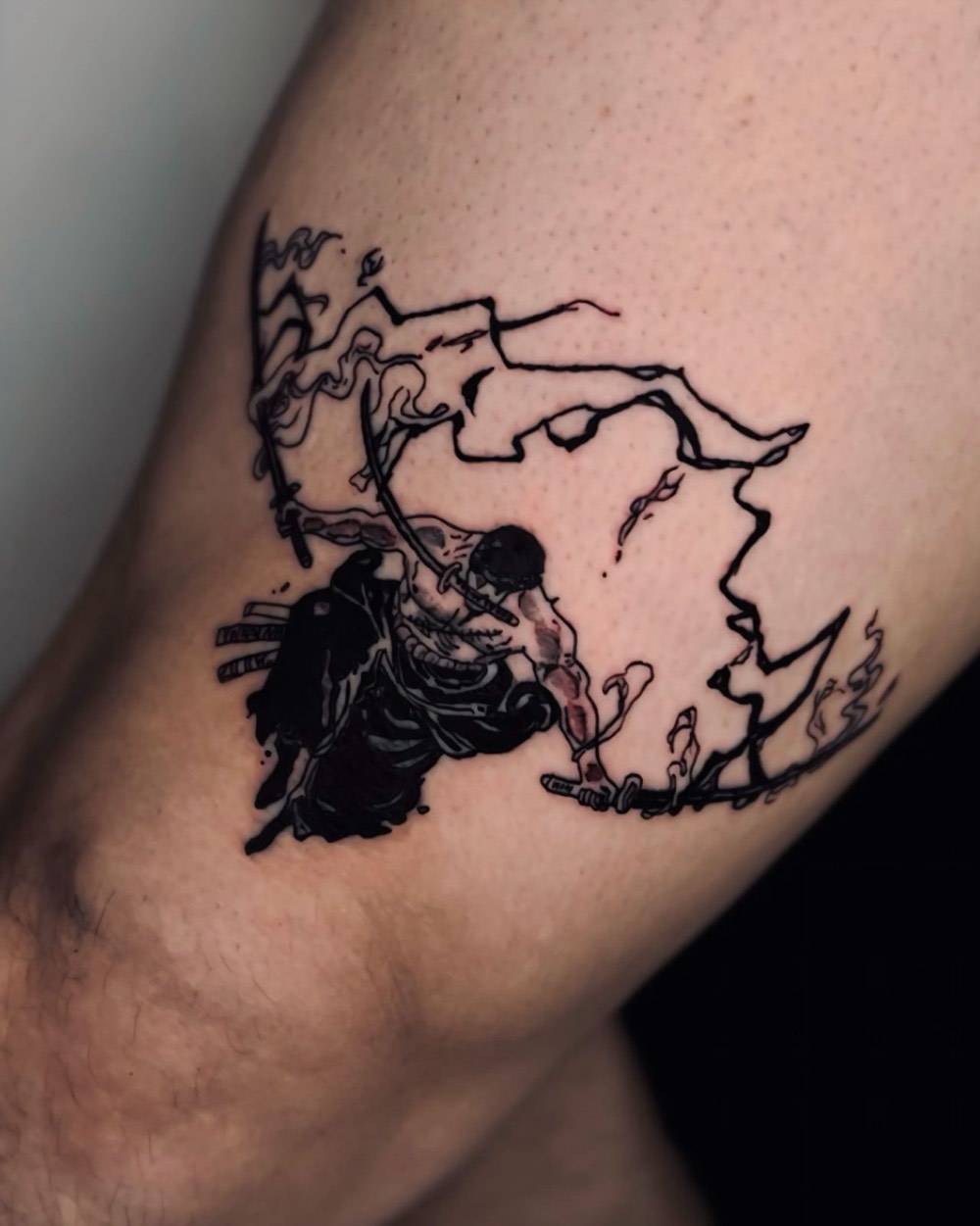
Cover up tattooing differs from designing on untouched skin because the older pigment remains part of the visual equation. The new artwork needs to account for existing shapes and dark areas. Simply placing a lighter design over a darker tattoo does not reliably make the earlier image disappear. Some existing tattoos may support substantial redesign, while others impose major limitations. The new composition may need stronger contrast, expanded dimensions, or different imagery than the client's first choice. In some cases, discussing laser lightening with an appropriate professional may provide additional options before tattooing. No specific coverage result can be guaranteed.
Older symbols, illustrations, or decorative tattoos may be candidates for a new composition. The existing outline and pigment density influence which subjects can work over them.
Faded artwork may offer different design possibilities from dense, recently applied ink. However, uneven pigment and remaining dark areas still need to be considered carefully.
Lettering can leave recognizable shapes that require thoughtful coverage. The location, darkness, and arrangement of the characters influence the design options.
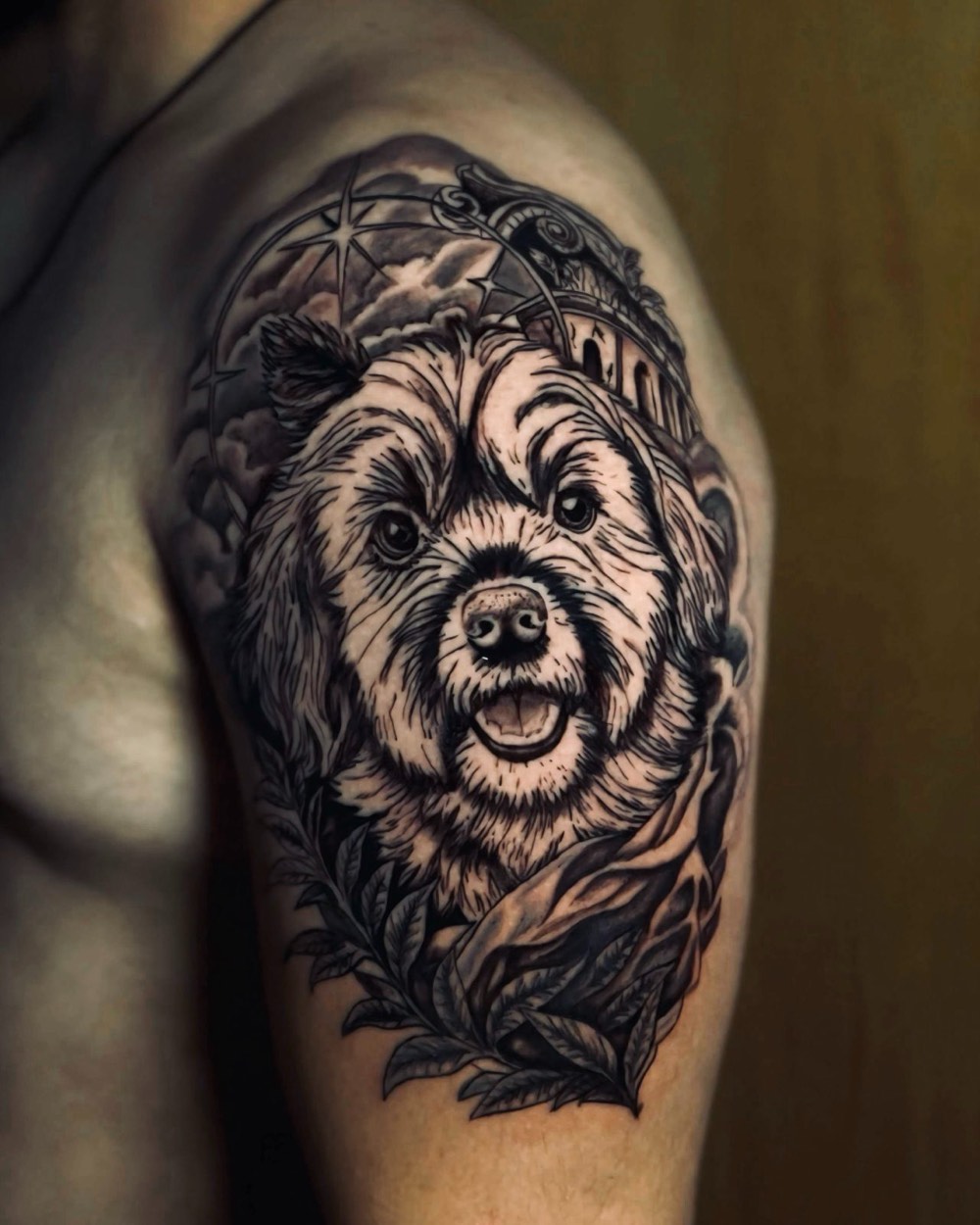
Sometimes a larger surrounding composition can change the overall appearance of an older piece. Expansion may help redirect visual attention, although it does not necessarily eliminate the original image.
I begin with the tattoo as it currently appears rather than assuming every requested design will provide adequate coverage.
I believe it is important to explain when a proposed concept may not conceal the existing artwork.
I explore how shape, contrast, and scale can contribute to a more cohesive new design.
You do not need to justify why you want to change a tattoo. The focus is on understanding the result you want now.
Email a clear photograph of your current tattoo and describe the change you hope to make.
Free — no obligations
Provide a clear image of the existing tattoo and surrounding skin in natural, even lighting.
Explain what you would prefer to see and whether there are subjects or styles you want to avoid.
Discuss the old tattoo's size, shape, pigment, condition, and potential design limitations.
Explore how darker elements, additional space, and appropriate imagery might support the intended result.
Review the proposed approach, any remaining visibility concerns, and the appointment details before proceeding.
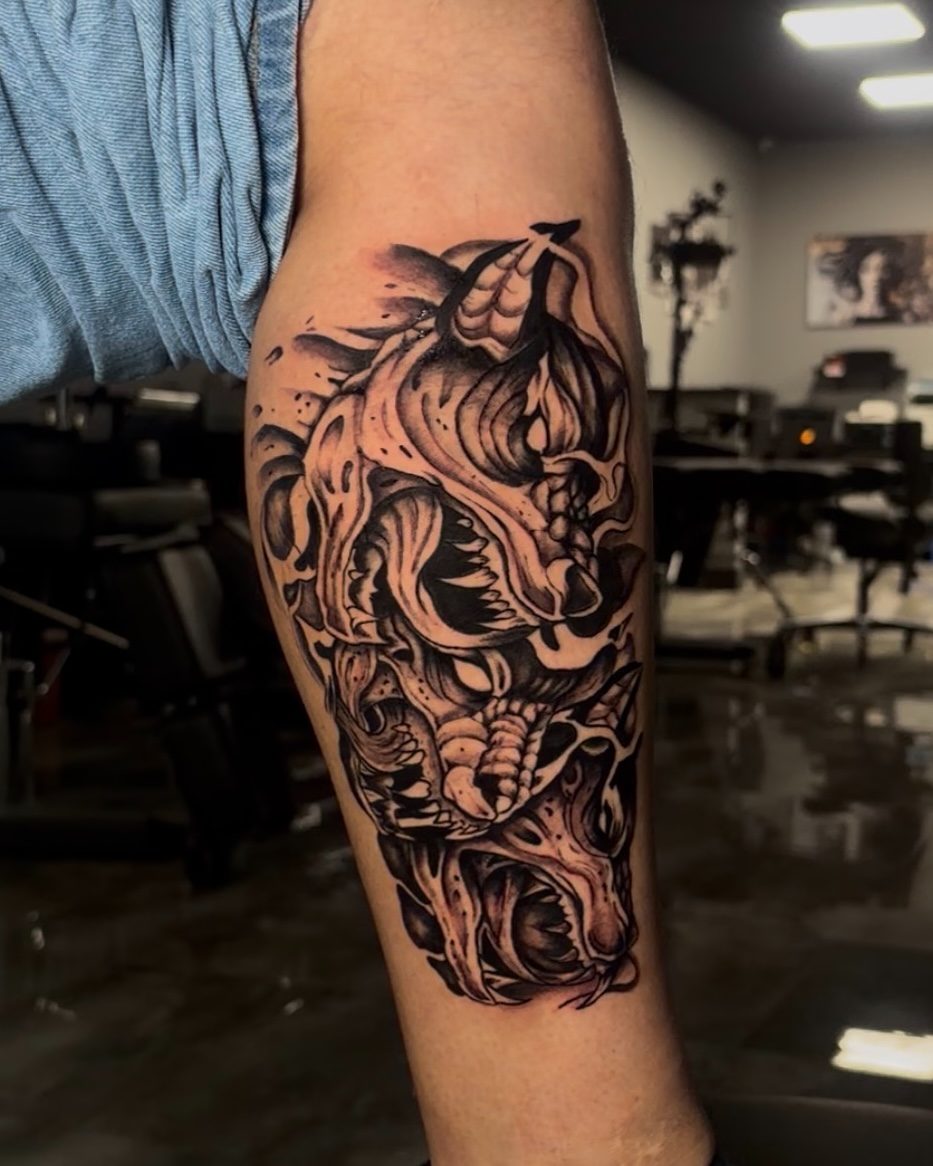
Light pigment generally does not reliably hide dense, dark existing ink. A cover up often requires careful use of darker areas and a suitable composition. The current tattoo needs to be assessed before realistic options can be discussed.
Many cover ups benefit from additional space because the new design must incorporate or disguise existing shapes. The amount of expansion depends on the original artwork and the proposed subject. It cannot be determined from dimensions alone.
The skin should be fully healed before additional tattoo work is considered. Recently tattooed skin may still be recovering even when the surface looks better. Discuss the timing with an appropriate professional before proceeding.
Laser lightening can sometimes expand design possibilities by reducing existing pigment. Whether it is appropriate depends on the tattoo, your skin, and professional medical assessment. It is not a requirement for every cover up.